
Join Our Team!
Call Us Today! 334-445-6336
At Sumlar Therapy, We Offer A Place For Helping, Healing, Loving, & Believing
Specializing in Pediatric Physical, Occupational, & Speech Therapy
At Sumlar Therapy Services Inc., our mission is to provide exceptional pediatric therapy services that are beneficial and enjoyable for children, sought after by families and educators, and a source of pride for our employees. Since 2001, families and educators across Alabama have trusted our clinic for innovative, personalized pediatric PT, OT, and speech therapy services, including hippotherapy, aquatic therapy, feeding therapy, and reading/dyslexia therapy.
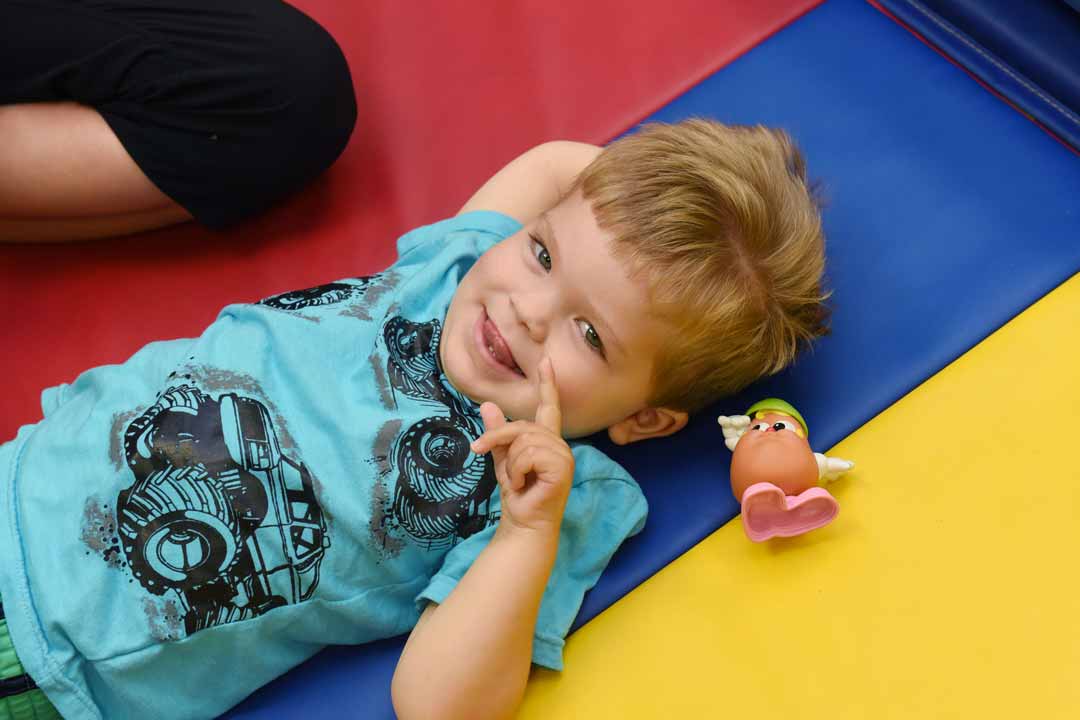
Sumlar Therapy offers both clinic-based therapy and school-based programs. Our clinic is in Ozark, AL. Our proximity to Fort Novosel, formally known as Fort Rucker, allows us to serve military families through our pediatric therapy services and career opportunities. We are therapist-owned and patient-focused — every member of the Sumlar Therapy Services, Inc. team is committed to helping children achieve success in everyday life.
Learn more about school partnerships, pediatrician referrals, & starting your child’s therapy program with Sumlar Therapy Services, Inc.
An Innovative Approach to Pediatric Therapy
We offer physical therapy, occupational therapy, and speech therapy for children of all ability levels. Our clinic specializes in developmental delays and disorders and welcomes children in infancy through their teenage years. All of our therapy services are tailored to a child’s particular needs and are designed to assist with the child’s needs in their home, community, and school.
Our 4,000 sq. ft. clinic in Ozark, AL, stands apart from other pediatric therapy clinics due to our strong reputation and standard of service. Additionally, we have a pool for aquatic therapy during the summer months and an outdoor riding arena and horses for hippotherapy year-round.
Both hippotherapy and aquatic therapy may be part of your child’s PT, OT, or Speech therapy session and are not a substitute for a PT, OT, or speech therapy program. Our therapists use these methods to enhance existing therapy programs and provide a child with additional ways to grow and progress.

Physical Therapy

Occupational Therapy
Speech Therapy
Physical Therapy

Occupational Therapy

Speech Therapy
We are looking for dedicated pediatric therapists & professionals who share our vision of serving children with special needs.
Physical Therapy
Pediatric physical therapy focuses on helping a child improve their range of motion, flexibility, strength, and movement patterns. A pediatric physical therapy program is designed to help a child improve their gross motor skills and ability to perform tasks using large muscle groups. This includes improving function in muscles that help us get from one place to the next and perform tasks like sitting up, kicking a ball, walking and running, or propelling a wheelchair.
How do I initiate a referral?
To initiate a referral to Sumlar Therapy, both the school representative and the student’s parent must complete and sign the one-page referral form provided. Please ensure that ALL information requested is provided and LEGIBLE. Please include any special instructions, as well as the existing IEP and medical history if available.
Once completed, the school representative may EMAIL the form to email@sumlartherapy.com or FAX to 334-445-6363. We are no longer sending a notice of receipt, so please self-confirm that your fax or email was successful. If you have a question about the status of your referral, please email email@sumlartherapy.com.
School-Based Physical Therapy
School-based physical therapy programs are centered on providing students of all ages with the necessary support and adaptations required to successfully complete school-related activities. Some examples could be:
- Sitting in various positions required for circle time
- Proper alignment in school-based chairs to enhance posture and attention
- Accessing the bathroom
- Negotiating stairs or curbs
- Exploring playground equipment
- Participating in physical education with peers
- Navigating the cafeteria
- Walking classroom or campus distances with classmates
Overall, school-based physical therapy is essential in helping students access their educational environment with independence and confidence.
Clinic-Based Physical Therapy
Our clinic-based physical therapy programs focus on helping children develop their gross motor skills and address any movement difficulties seen in their everyday life. Pediatric physical therapy is centered around improving a child’s skills through fun, engaging, and age-appropriate learning techniques.
Why do children see physical therapists?
Children of any age may require PT services to help them achieve skills that will be essential as they grow. A few examples are:
- Developmental milestones: sitting independently, crawling, and walking
- Ball skills with peers: catching, tossing, or kicking
- Skipping, galloping, and hopping
- Walking on a balance beam
- Standing on one foot
- Riding a bicycle
What can be accomplished through PT?
Our physical therapists work with children to help improve areas such as:
- Strength
- Endurance
- Balance
- Coordination; whole body and hand-eye
- Muscle tone
- Range of motion
- Quality of movement
- Torticollis in infants
Aquatic Therapy & Hippotherapy for Physical Therapy
Our physical therapists may utilize aquatic therapy and hippotherapy to provide additional support in their existing programs. Through the summer, our physical therapists may use the pool for aquatic therapy. Our riding arena is available year-round for hippotherapy.
Aquatic therapy offers a more natural, engaging, and play-based treatment environment. During hippotherapy, the horse’s repetitive, rhythmic, and balanced movements help engage a child’s body, senses, and brain in new ways. Both of these modes of therapy can help a child increase their strength, stability, and posture.

Occupational Therapy
An occupational therapist helps children develop, recover, improve and maintain fine motor skills needed for daily living and working — their “occupations.” Pediatric occupational therapy centers around helping children strengthen their fine motor skills or small muscle movements like using their hands and fingers. Additionally, OTs help children improve their visual perceptual skills and manage sensory processing differences.
How do I initiate a referral?
To initiate a referral to Sumlar Therapy, both the school representative and the student’s parent must complete and sign the one-page referral form provided. Please ensure that ALL information requested is provided and LEGIBLE. Please include any special instructions, as well as the existing IEP and medical history if available.
Once completed, the school representative may EMAIL the form to email@sumlartherapy.com or FAX to 334-445-6363. We are no longer sending a notice of receipt, so please self-confirm that your fax or email was successful. If you have a question about the status of your referral, please email email@sumlartherapy.com.
School-Based Occupational Therapy
Our school-based OT programs provide students with developmental delays or disabilities with support to help them better access their educational environment. Occupational therapy activities promote fine motor skills and written communication while helping a child learn how to accomplish daily tasks required in school. This includes:
- Holding a pencil, crayon, or writing utensil
- Writing sentences
- Holding scissors
- Taking notes off a whiteboard or blackboard
- Turning pages of a book
- Opening a door
- Tying their shoes
- Zipping or buttoning clothes
Our therapists collaborate with parents, teachers, and other educators to provide students with ways to reach their full potential and make the most out of their time in the classroom.
Clinic-Based Occupational Therapy
A child’s “occupation” is to play, learn, and interact with other children. Our clinic-based occupational therapy services are centered around helping children learn basic life skills by addressing motor, environmental, sensory, social, and behavioral challenges. Every child’s OT program is built upon age- and developmentally-appropriate learning techniques so they can build their self-esteem and abilities to perform daily activities.
Why do children see occupational therapists?
A child may need OT services for many reasons, including:
- Delays in play and social skills
- Delays in fine motor skills
- Behavioral problems
- Sensory processing disorders
- Birth injuries or congenital disabilities
- Learning problems
- Autism/pervasive developmental disorders
- Spina bifida
- Cerebral palsy
- Other conditions
What can be accomplished through OT?
Our occupational therapists work with children in areas including:
- Improving fine motor skills to grasp and release toys
- Developing good handwriting skills
- Developing hand-eye coordination and tracking objects
- Adapting to sensory processing differences
- Learning basic self-care/daily tasks such as getting dressed, brushing teeth, tying shoes, and more.
- Improving social skills
Clinic-Based Occupational Feeding Therapy (COMING SOON)
Our trained occupational therapists are able to provide feeding therapy services to patients and families who are struggling with a variety of feeding issues. Our occupational therapist can focus on helping your child tolerate more sensory experiences related to food (taste, touch, and smell), increasing the amount of accepted foods, exploring new foods or food groups, improving meal-time routines, providing education about nutritious alternatives, and using utensils with more success.
Because feeding is truly a family issue, parent training is an important part of feeding therapy. Each family provides targeted food for their child’s therapy session. This approach helps to ensure that the food we’re working with is meaningful to the family’s typical diet at home, and safe if food allergies or sensitivities are present, which eases carryover at home. Our primary goal is to ensure that each child we serve is able to tolerate a healthy variety of foods from each food group, and is able to take in an adequate amount of food safely at each meal.
Aquatic Therapy & Hippotherapy for Occupational Therapy
Our outdoor riding arena and pool offer our therapists additional modes of treatment for their patients. In the summer months, our OTs may use the pool for aquatic therapy; the riding arena is available year-round for hippotherapy. These modes of therapy provide additional support to existing OT programs.
Aquatic occupational therapy offers children a more engaging, natural, play-based environment that builds upon the overall program goals. During hippotherapy, the horse’s repetitive, balanced, and rhythmic movements help engage a child’s body, brain, and senses in new ways. Both help promote increased coordination, fine motor skills, and sensory integration.
Speech Therapy
Speech-Language Pathologists (SLP) focus on improving language, both receptive (understanding what is said) and expressive (telling someone what you want to say). Expressive language can be verbal or can be accomplished in alternate ways, like using sign language or picture symbols. SLPs also offer feeding therapy and focus on swallowing and eating, which is a complex system involving the coordination of the muscles in the mouth and throat. Our speech therapists work with babies, children, and teenagers.
How do I initiate a referral?
To initiate a referral to Sumlar Therapy, both the school representative and the student’s parent must complete and sign the one-page referral form provided. Please ensure that ALL information requested is provided and LEGIBLE. Please include any special instructions, as well as the existing IEP and medical history if available.
Once completed, the school representative may EMAIL the form to email@sumlartherapy.com or FAX to 334-445-6363. We are no longer sending a notice of receipt, so please self-confirm that your fax or email was successful. If you have a question about the status of your referral, please email email@sumlartherapy.com.
School-Based Speech Therapy
In-school speech therapy programs help promote a student’s speech, language, and communication skills within their school and classroom environments. Communicating with educators and fellow students is an important part of a child’s educational experience and each speech therapy program is designed to help a student better receive, process, and share information. Our SLPs work with students to:
- Learn how to say and spell words correctly
- Improve their ability to express wants, needs, and thoughts with peers and educators
- Build confidence in their language skills to improve their educational experience
- Improve their understanding of verbal and written language by educators and classmates
- Help a student better follow and understand directions
Our school-based speech programs are centered around helping a student better access his or her education. We work with students of all abilities, including children with speech-language delays, voice disorders, articulation and hearing loss, and fluency disorders such as stuttering.
Clinic-Based Speech Therapy
The foundation of our in-clinic speech therapy services is to provide children with the tools they need to improve their language skills in every area of their life. Our speech therapists work with children with speech-language delays, voice disorders, swallowing difficulties, articulation and hearing loss, and fluency disorders, such as stuttering. Each program uses age-appropriate activities that help a child improve their ability to receive and process language, communicate with others, or improve their swallowing and feeding abilities.
Will my child benefit from speech-language therapy?
We offer speech therapy services for children with or without medical conditions. This includes:
- Auditory processing disorders
- Hearing loss
- Developmental delays
- Difficulty making certain sounds
- Fluency disorders (Stuttering)
- Challenges with swallowing or feeding
- Learning problems
- Autism/pervasive developmental disorders
- Challenges understanding and following directions
- Difficulty using age-appropriate words, phrases, and sentences
What can be accomplished through speech therapy?
Our speech-language pathologists work with children in areas including:
- Improving production of sounds
- Increasing range of sounds
- Improving & building vocabulary
- Better understanding of verbal language
- Improving ability to communicate their thoughts, needs, and wants
- Improving ability to receive and understand directions
- Helping a child express more complex ideas through phrases and longer sentences
- Improving reading challenges related to difficulty with language
- Reading programs for dyslexia
Clinic-Based Speech Feeding Therapy (COMING SOON)
Our trained speech-language pathologists are able to provide feeding therapy services to patients and families who are struggling with a variety of feeding issues. Frequent gagging, choking, food refusal, limited diet, weight concerns, refusal of a complete food group, texture aversion, and behavior issues specifically during mealtimes can be helped through feeding therapy.
Because feeding is truly a family issue, parent training is an important part of feeding therapy. Each family provides targeted food for their child’s therapy session. This approach helps to ensure that the food we’re working with is meaningful to the family’s typical diet at home, and safe if food allergies or sensitivities are present, which eases carryover at home.
Our primary goal is to ensure that each child we serve is able to tolerate a healthy variety of foods from each food group, and is able to take in an adequate amount of food safely at each meal.
Clinic-Based Speech Reading/Dyslexia Therapy
Our speech-language pathologists also offer reading and spelling intervention through the Barton Reading & Spelling System. Barton is an Orton-Gillingham influenced program that is research- and evidenced-based. Barton was designed as intense intervention for students in Kindergarten or older who struggle with basic decoding, are missing oral reading fluency benchmarks, and also struggle with spelling.
This system is multi-sensory, direct, explicit, structured and sequential, making it easy to tailor to each individual’s unique needs. Ask your pediatrician for a referral for Speech Therapy to receive specific assessments and intervention.
Aquatic Therapy & Hippotherapy for Speech Therapy
As with our pediatric PT and OT programs, we offer aquatic therapy and hippotherapy as extensions to our clinic-based speech therapy services. Speech therapy in the aquatic environment offers a more natural, engaging, and play-based environment for treatment while providing a child with more support to their head, neck, and torso. This creates better positioning for the jaw and tongue, which can help improve speech coordination and articulation.
During hippotherapy, the horse’s rhythmic, repetitive, and balanced movements help engage a child’s brain, body, and senses in new ways. This offers our speech therapists an effective way to further address speech and language delays. It provides a child with a unique way to improve their breath support, stability, and trunk control, which helps support speech and language progression.
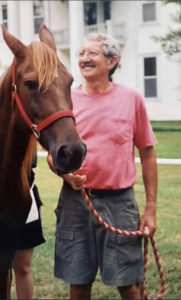
The Lewis Mitchell Grantham Arena for Exceptional Children
Dedicated in June 2008, the arena that has been the site of first successes for so many children was named in honor of its greatest supporter, Mitchell Grantham (1938-2020). Mitchell was Sumlar Therapy Services, Inc.’s first Chief Horse Handler and the owner of two therapy horses, Midnight and Cinnamon. Mitchell’s time, effort, love, and dedication have been a great blessing to countless and families at Sumlar Therapy Services, Inc.
For further questions regarding our pediatric therapy services, please contact us today at 334-445-6336.
Sumlar Therapy Services, Inc.
193 Sam Lisenby Rd
Ozark, AL 36360
Business Hours:
Monday — Thursday:
8:00 AM to 5:00 PM
Friday:
8:00 AM to 12:00 PM
Saturday & Sunday:
Closed